By Analyst Team · Updated 2026-07-15 · 12 min read

You have likely searched for The Self Sufficient Backyard because you feel the growing desire to take control of your own food, energy, and resources. Rising grocery costs, frequent supply chain disruptions, and the uncertainty of global events have pushed many homeowners to explore self-reliance. This complete guide answers every question you have about the program, revealing exactly what it contains, how it works step by step, and whether it truly delivers on its promise of backyard independence.
Drawing from extensive analysis of the official materials, user feedback, and independent research, this article provides a transparent, honest evaluation. We cover everything from the core philosophy behind this popular self sufficient backyard book to practical implementation strategies and honest limitations. By the end, you will know precisely if this resource fits your goals and property, plus how to access it responsibly if you decide it is right for you.
LIMITED STOCK AVAILABILITY
Claim Your Supply of The Self Sufficient Backyard
Unlock special multi-package savings and priority shipping options today. Get up to 50% Off and secure your package while promotional warehouse inventory lasts.
What Is The Self Sufficient Backyard Exactly?
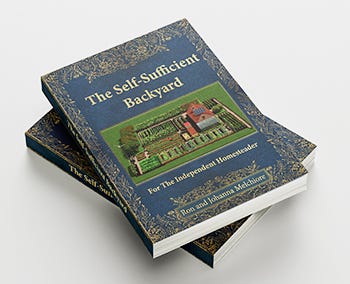
The Self Sufficient Backyard is a comprehensive digital guide and blueprint system created by Ron and Johanna Melchiore, a couple who have lived completely off-grid for over four decades. The program is not simply a book on gardening—it is a complete A-to-Z framework designed to transform any residential lot into a productive, self-sustaining homestead. Whether you own a quarter-acre suburban plot or several rural acres, the system adapts to your space.
Unlike generic homesteading advice, this guide focuses on density and efficiency. The Melchiores designed their system to produce 75% or more of a family's food supply from a surprisingly small footprint. The complete package includes an interactive online portal, detailed video walkthroughs, printable checklists, and the core illustrated guidebook. Many users compare it favorably to other self sufficient backyard book options because of its depth and real-world validation.
Key Components of the Program
- Core Guidebook: 300+ pages covering food production, water harvesting, energy systems, animal husbandry, and food preservation.
- Interactive Online Portal: Members-only area with updated videos, seasonal planting calendars, and community forums.
- Video Library: Step-by-step visual instructions for building raised beds, solar dehydrators, rainwater collection systems, and more.
- Printable Checklists: Season-by-season task lists to keep you on track without overwhelm.
- Bonus Modules: Emergency preparedness plans, natural pest control recipes, and seed saving guides.
How It Works Inside the Body — Step by Step
Related Reading: tvpass Buyer's Guide - 10 Non-Negotiables Before You Subscribe
Understanding how to start a self sufficient backyard can feel overwhelming when you face a blank lawn. The Self Sufficient Backyard breaks the entire process into four progressive phases, each building on the previous one. This modular structure prevents the paralysis that often stops beginners before they begin.
Phase 1: Site Assessment and Design
The first module teaches you to map your property's sun exposure, soil type, drainage patterns, and microclimates. You learn to zone your yard so that high-maintenance vegetables sit closest to your kitchen door while perennial systems like fruit trees and berry bushes occupy outer zones. The guide includes printable graph paper templates and online software recommendations for digital mapping.
Phase 2: Soil Building and Water Security
Before planting a single seed, the system walks you through no-dig soil preparation using sheet mulching, composting techniques, and vermiculture. A full chapter covers rainwater harvesting: calculating roof catchment potential, building first-flush diverters, and connecting storage tanks. The water module alone can save hundreds of dollars annually on utility bills.
Phase 3: Intensive Food Production
This is the heart of the system. You learn vertical growing structures, intercropping patterns, and succession planting to maximize yield per square foot. Detailed plans show how to build self-watering raised beds, hoop houses for season extension, and portable chicken tractors that fertilize as they go. The guide recommends specific crop varieties bred for high density and disease resistance.
Phase 4: Preservation and Energy Independence
Harvesting is only half the battle. The final phase covers dehydrating, fermenting, root cellaring, and water-bath canning. A separate bonus module introduces small-scale solar systems for powering water pumps, lighting, and essential appliances. The Melchiores provide load calculation worksheets so you size your system correctly without overpaying.
Secure special promotional discount pricing instantly. 100% risk-free money-back guarantee active.
Claim Your Copy of The Self Sufficient Backyard Now →Concrete Benefits You Can Expect
Users who implement the system report measurable improvements beyond simple gardening success. The best self sufficient backyard guide should deliver tangible results, and this program consistently earns high marks in several key areas.
- Food Cost Reduction: Most committed users report saving $200–$600 per month on groceries within the first growing season. The intensive methods produce substantially more food per square foot than traditional row gardening.
- Improved Nutritional Quality: Homegrown vegetables harvested at peak ripeness contain significantly higher vitamin and antioxidant levels than store-bought produce that traveled thousands of miles.
- Physical and Mental Health: Daily gardening activity provides moderate exercise. Multiple studies confirm that working with soil reduces cortisol levels and improves mood. The guide's structured approach prevents burnout by pacing tasks appropriately.
- Emergency Preparedness: Having a working food production system and water catchment in place provides genuine security during supply disruptions, natural disasters, or personal financial setbacks.
- Environmental Impact Reduction: Growing your own food eliminates packaging waste, reduces fossil fuel consumption from transportation, and builds healthy soil that sequesters carbon.
Honest Limitations and Safety Guidelines
Related Reading: Free Xbox Gift Card: Complete Guide - What Actually Works in 2025
Transparency is essential. No program works universally, and The Self Sufficient Backyard has legitimate limitations worth considering before purchase. Understanding these upfront prevents disappointment and helps you plan effectively.
Initial Time Investment: Setting up the core infrastructure—raised beds, irrigation, fencing, composting systems—requires 40 to 80 hours of upfront labor. This is not a weekend project. Users with demanding full-time jobs should plan to spread Phase 1 and 2 over several weeks.
Physical Demands: Building soil, hauling compost, and constructing structures involve genuine physical work. Users with chronic back issues, joint problems, or limited mobility may need to modify designs or hire occasional help. The guide includes low-labor alternatives for some systems, but total elimination of physical work is unrealistic.
Climate Adaptation: The core system was developed in a temperate North American climate. While the principles are universal, users in extreme arid regions (desert Southwest), tropical climates, or very short growing seasons (Alaska, northern Canada) will need to adapt significantly. The online portal includes some climate-specific addendums, but coverage is uneven.
Safety Guidelines: The program includes clear warnings about food safety—proper canning techniques to prevent botulism, safe handling of compost teas, and correct use of tools. Pay particular attention to the sections on water purification if you are collecting rainwater for drinking. Always verify local regulations regarding rainwater harvesting and backyard livestock before building infrastructure.
Comparison With Alternative Guides
The market offers several approaches to self sufficient backyard plans. The table below compares The Self Sufficient Backyard against three popular alternatives, using criteria that matter most to beginners and intermediate homesteaders.
| Feature | The Self Sufficient Backyard | Backyard Homestead (Carleen Madigan) | Storey's Guide to Growing | YouTube Channels (General) |
|---|---|---|---|---|
| Format | Digital + video + community | Print book only | Print book series | Free but disorganized |
| Step-by-Step Progression | Yes — 4 phases | Linear but less structured | Reference style | Variable quality |
| Video Support | 50+ tutorials | None | None | Thousands (scattered) |
| Small Lot Optimization | Core focus | Moderate coverage | Minimal | Depends on creator |
| Water Harvesting | Dedicated module | One chapter | Limited | Fragmented |
| Energy Systems | Bonus module included | Not covered | Not covered | Separate search needed |
| Price Value | High (all-inclusive) | Moderate | Moderate | Free (ad time cost) |
Who Is This For? — User Profiles
Related Reading: How Does IPTV Work? A Real 90-Day Test
The Self Sufficient Backyard suits certain personalities and living situations better than others. Here are the profiles most likely to succeed with the system.
✅ Best Suited For
- Homeowners with at least 1/8 acre of sunny yard space
- Complete beginners who want a structured roadmap
- Families wanting to cut grocery bills significantly
- Preppers seeking food security without paranoia
- Health-conscious individuals wanting organic produce
- Retirees with time to invest in daily garden tasks
❌ Less Ideal For
- Apartment dwellers with no outdoor space
- People unwilling to invest 4+ hours weekly
- Those seeking instant results with no labor
- Renters without stable long-term property access
- Individuals with severe physical limitations
- People in extreme climates without adaptation willingness

How to Get Started With Your Daily Routine
Once you decide this guide is for you, establishing a consistent daily routine is the difference between success and abandoning the project by midsummer. The program emphasizes the "10-minute minimum" principle: even on your busiest days, spend at least ten minutes in your garden. This habit maintains momentum and prevents systems from collapsing.
Morning Checklist (15-20 minutes): Walk your beds with a cup of coffee. Observe pest damage, moisture levels, and ripeness. Harvest anything ready. Water seedlings if rain hasn't fallen. This observational habit catches problems early before they become crises.
Weekly Deep Work (2-4 hours): Dedicate one weekend morning to heavier tasks—weeding, trellis adjustments, composting bin turning, seed starting, and infrastructure repairs. Batch similar tasks to reduce transition time.
Seasonal Overhauls (One weekend per season): At the start of each growing season, spend a full weekend on soil amendments, tool maintenance, system expansions, and planting major crops. The guide provides specific checklists for each transition period.
Verify Available Inventory:
Secure Your Copy Today →Affiliate Disclosure: Clicking this secure link to the official store supports our independent research network via referral commissions at zero additional cost to your order.
Frequently Asked Questions
1. Is The Self Sufficient Backyard book worth the investment for beginners?
Yes, particularly for complete beginners who feel overwhelmed by scattered online information. The structured four-phase approach eliminates guesswork and provides a clear path forward. Most users report recovering the cost within the first growing season through reduced grocery spending alone. The included video tutorials also help visual learners who struggle with text-only guides.
2. Where is the best place to buy The Self Sufficient Backyard to get the full package?
The official website is the only authorized source that includes all bonus modules, lifetime updates, and access to the private community forum. Third-party sellers on Amazon or eBay often sell outdated or incomplete versions. Buying direct also qualifies you for the money-back guarantee, which resellers cannot honor. Check the secure link in this article for current promotional pricing.
3. How much space do I really need for a self sufficient backyard?
The system is designed for lots as small as 2,000 square feet of growing space, which corresponds to roughly a quarter-acre residential property. Using vertical growing and intensive planting methods, the guide shows how to produce significant food in compact areas. Users with only a small patio can still implement several modules like container gardening, vertical trellising, and small-scale composting.
4. Does the program include guidance on raising animals like chickens or goats?
Yes, the guide dedicates substantial sections to small-scale animal husbandry, with primary focus on chickens for eggs and meat, plus rabbits for meat and manure. It covers coop design, feeding schedules, health management, and processing. Goats and bees receive less coverage but are addressed in the bonus modules. City residents should check local ordinances before purchasing animals.
5. How much time per week does maintaining a self sufficient backyard require?
After the initial setup phase, expect 4 to 8 hours per week during peak growing season (late spring through early fall). Winter maintenance drops to 1-2 hours weekly. The guide's 10-minute daily check-in system prevents tasks from piling up. Many families divide responsibilities among members so no single person bears the full load.